
SPACE PHOTOGRAPHY
Nikon Z9 cameras arrive at the ISS – to document life on board
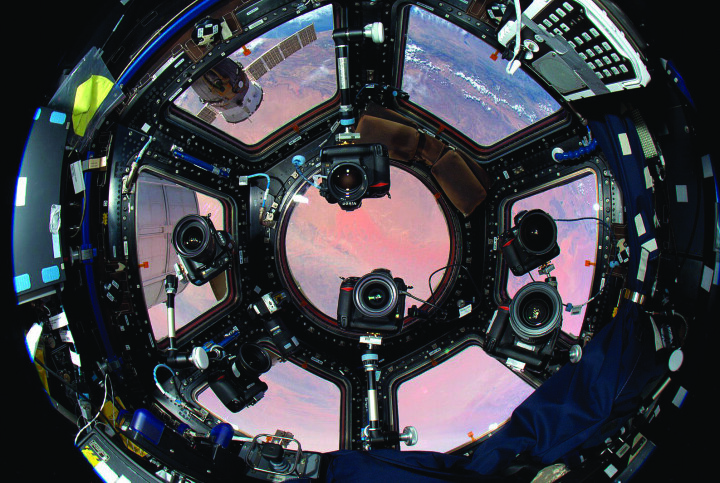
13 unmodified Nikon Z9 cameras have arrived at the ISS along with over 15 lenses – for research and documentation.

Published
Annons
MEST LÄST JUST NU


MEST LÄST JUST NU
On 30 January 2024, 13 unmodified Nikon Z9 cameras were sent into space with the destination of the ISS – the International Space Station – where the Swede Marcus Wandt is currently located.
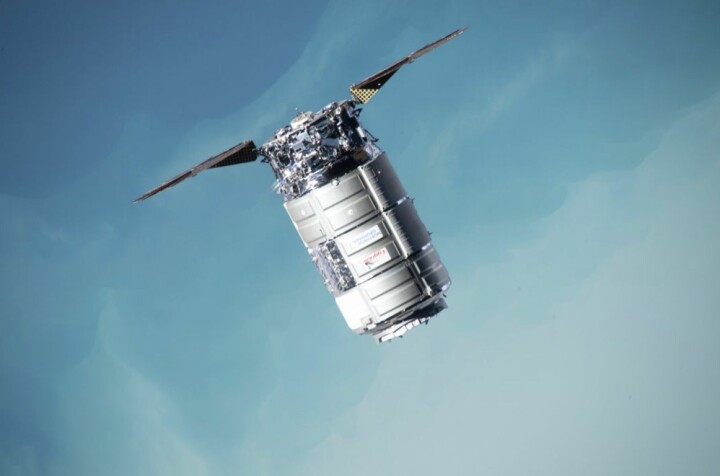
Several camera bodies, which are not supposed to have been altered to withstand the harsh conditions of space, were sent up along with over 15 Nikkor lenses – super-telephoto and macro – aboard the Cygnus cargo spacecraft, which was launched with a SpaceX Falcon 9 rocket.
Annons
The new gear will be used to document life on board the ISS, but also for scientific purposes. By photographing and filming in space, we can increase our understanding of how things work.
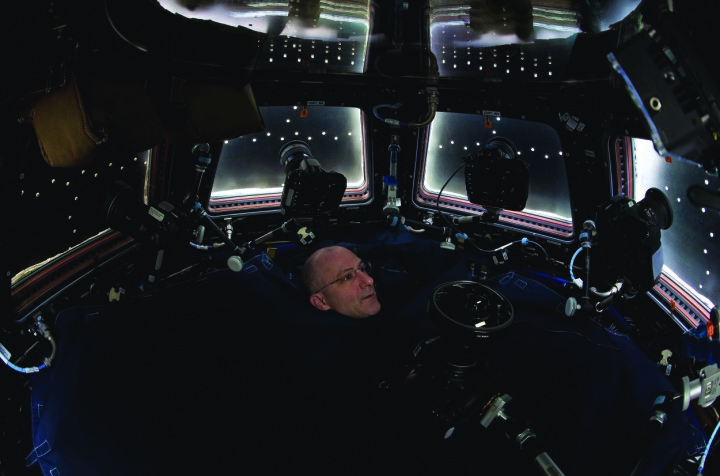
The new Z9 cameras are set to replace the current Nikon D6 and D5 models that have been on the ISS since 2017. Nikon has been involved in the collaboration with NASA for a long time, and as early as 1999 Nikon F5 camera bodies were used on board the ISS, and in 2008 D2Xs were delivered, used by photographer Don Pettit whom we at Camera & Image have interviewed about what it's like to photograph in space. In 2013, 38 Nikon D4s were delivered to the ISS along with 64 lenses.
But now the previous D-SLR era has ended in space as well, as Nikon's mirrorless cameras take over completely. The hardware of the Nikon Z9 cameras now on the ISS is the same as the "regular" Nikon Z9 here on Earth. However, Nikon has developed a special space firmware in collaboration with NASA for the camera bodies that is better suited for photography from the ISS.
Annons
Among other things, the software modification includes enhanced noise reduction to enable faster shutter speeds and compensate for the radiation the equipment is exposed to. File name management has also been adjusted, as well as transfer protocols and FTP settings, to simplify for the astronauts when they need to send the images to Earth, which saves energy.
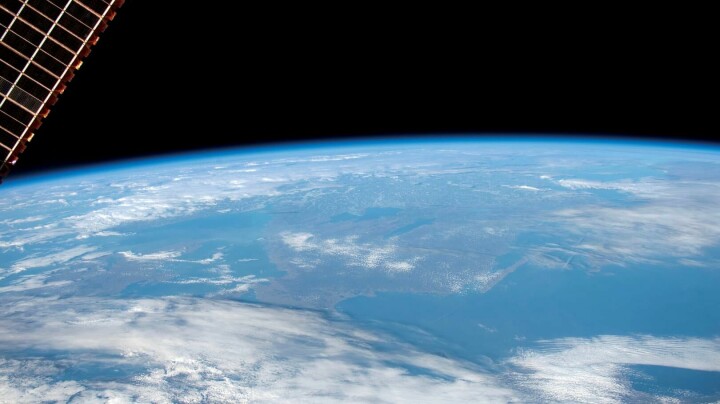
Many of the images we see on Earth from the ISS astronauts are taken in what is called the "cupola", or "Node 3" in NASA terms. With seven 26-inch windows and six four-sided windows plus a round one in the middle – as an astrophotographer, you can take unique space photos.
LÄS ÄVEN
-
Lär dig praktiskt porträttflöde med John Hagby & Canon – på F3 Foto Göteborg
-
F3 Foto Göteborg: Workshop med Arash Taheri, Leica & Sigma
-
F3 Foto Göteborg: Fotografera modeller – testa olika ljussättningar
-
Canons "check & clean" till F3 Foto Göteborg – få gratis rengöring
-
Svenska Fotobokspriset 2027 – nu öppnar ansökan
-
Sony World Photography Awards 2027 – här är årets jury



LÄS ÄVEN
-
Lär dig praktiskt porträttflöde med John Hagby & Canon – på F3 Foto Göteborg
-
F3 Foto Göteborg: Workshop med Arash Taheri, Leica & Sigma
-
F3 Foto Göteborg: Fotografera modeller – testa olika ljussättningar
-
Canons "check & clean" till F3 Foto Göteborg – få gratis rengöring
-
Svenska Fotobokspriset 2027 – nu öppnar ansökan
-
Sony World Photography Awards 2027 – här är årets jury


