REVIEW
Review: Sigma 70-200mm/2.8 DG DN OS | Sports – delivers on its promises

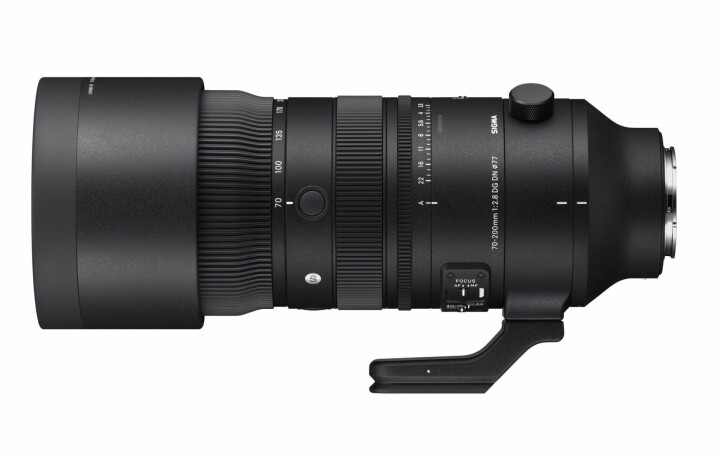
The long-awaited telephoto zoom lens from Sigma delivers on its promises. Kamera & Bild had the opportunity to review the lens before its official release.

Published
Annons
It has been a topic of discussion for a long time as to when Sigma would release a new mirrorless version of its full-frame telezoom 70-200 mm f/2.8 DG OS HSM Sports – a popular variant in the classic focal length range suitable for everything from sports, weddings to wildlife and nature photography. In October, Sigma announced that they were on track – and in November, the new DN version was released, compatible with L-Mount and Sony E/FE.

Design
Annons
The lens hood is also really nice, including being rubberized at the front, which ensures it stands firmly when temporarily placed on a flat surface, and since it also screws on, it feels like it really stays in place. The downside is that it takes time to remove it, but I'd rather it stays put.
The zoom ring itself is otherwise really nice to use with just the right amount of resistance and friction, and the ability to get through the focal length range with one movement without re-gripping. I experience a similar feeling with the focus ring, for those who want to use it – which can also be set to linear or non-linear depending on how you want the focus handling to work.
Click on or off for the aperture is a really good thing for those who film, with the ability to adjust it to off to get smoother movements but also get the tactile feel if desired, when photographing. The aperture can also be locked in position for the automatic mode for control via the camera's settings, or to move between the range of apertures. The image stabilization named "OS2" works very well and compensates up to 7.5 steps, with the option to choose between two modes depending on the type of photography.
Annons
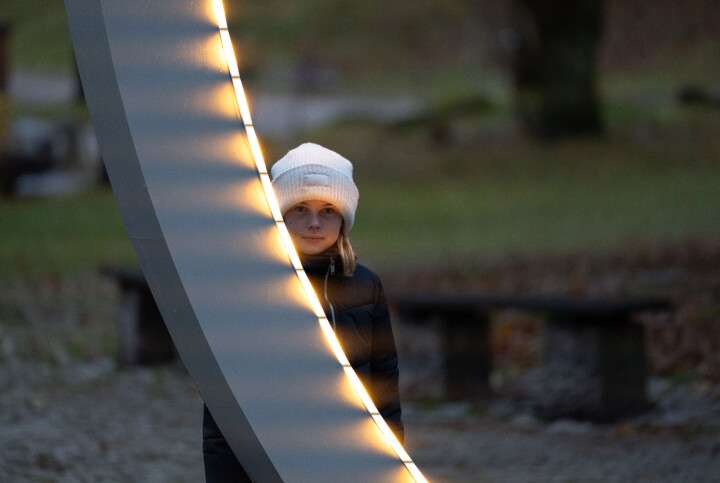
Image Quality
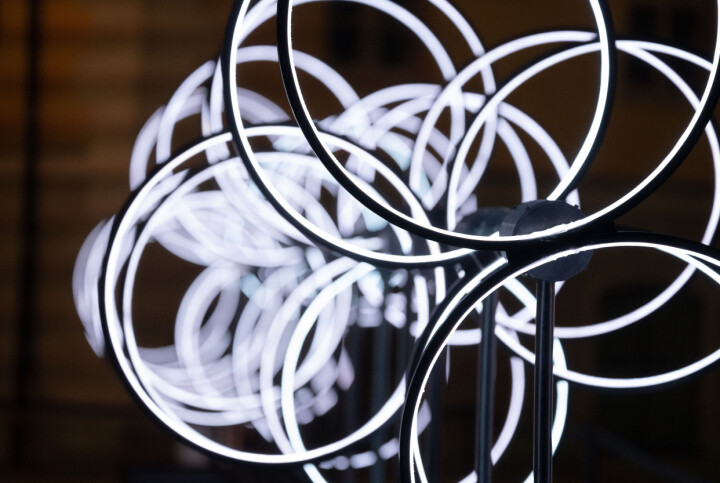
The image quality is really quite superb, indeed, the fact is that there's really nothing to complain about if one really tries. As promised, Sigma has worked on eliminating "focus breathing", meaning that the framing and focal length change during refocusing, which is something that video creators appreciate.
The sharpness of the image is really high at the largest aperture of f/2.8, although it is actually possible to achieve a slightly higher sharpness especially at the edges if you stop down a bit. This is something you won't notice unless you make an effort, which is considered a very good rating for how the lens performs. About the same effort is required to find other aberrations such as chromatic aberration, and possibly you can experience distortion in the upper focal length range, but it's not something I see as a major problem.
Annons
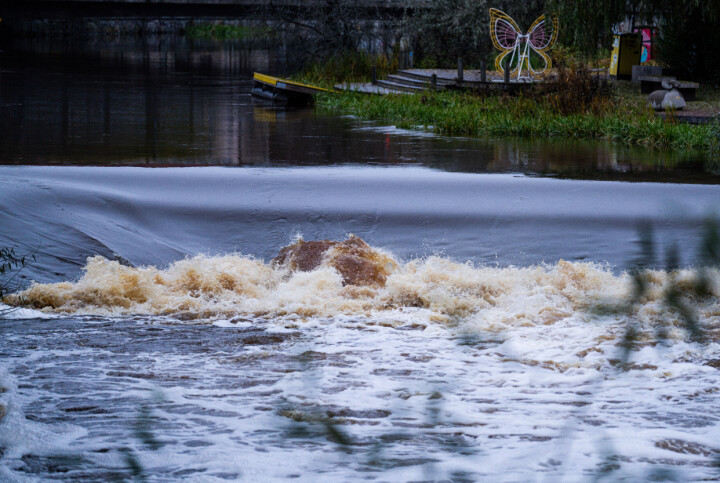
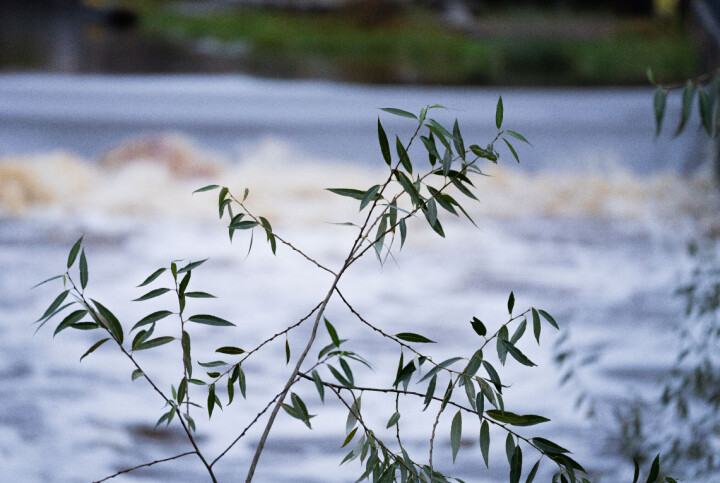
At f/2.8 and 200mm, you also get a beautiful bokeh, something that is clearly important for portrait photography, for example, where a busy background with light sources can be quite distracting. Here, the lens construction helps, and also contributes to the feeling that the lens is designed for professional photographers.
Conclusion
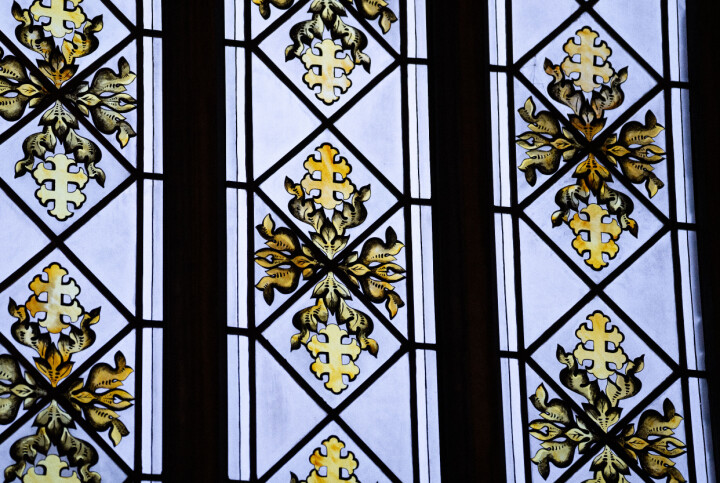
There is no doubt that Sigma has done a very good job with this lens. Its predecessor was popular, and the update to this version has been eagerly awaited. And I can understand why – the lens performs really well in all respects, is easy to handle, weather-sealed for tough outdoor conditions, and has a functional design.
The features available are useful for both still photographers and video creators who need the classic focal length – the lens works really well for both purposes. For those who require full-fledged support for the use of teleconverters or macro features, there are better alternatives.
Annons
Specifications

Fattning | Sony FE/L-Mount |
Format | Fullformat |
Brännvid | 70–200 mm |
Cirkapris | 21 000 kr |
Bildstabilisering | ja |
Maximal bländare | f/2,8 |
Minsta bländare | f/22 |
Bländarlameller | 11 (rundade) |
Närgräns | 0,65–1m |
Vädertätning | Ja |
Filterstorlek | 77mm |
Diameter x längd | Ca 91 x 206 mm |
Vikt | Ca 1335 g (Sony FE) |
Drop media element here ...

Läs mer: Sigma


Läs mer: Objektiv